
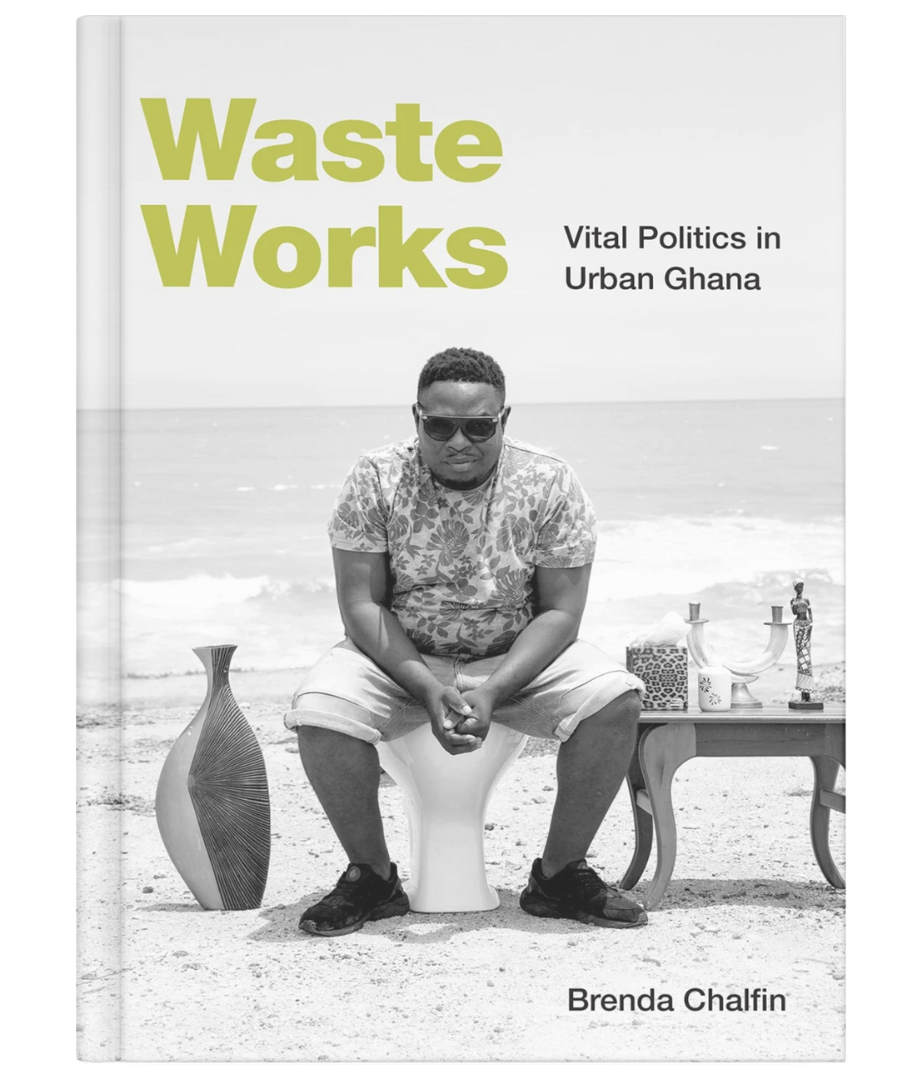
Brenda Chalfin , Waste Works: Vital Politics in Urban Ghana, Duke University Press Books, 2023
In Waste Works, Brenda Chalfin examines Ghana’s planned city of Tema, theorizing about the formative role of waste infrastructure in urban politics and public life. Chalfin argues that at Tema’s midcentury founding, a prime objective of governing authorities was to cultivate self-contained citizens by means of tightly orchestrated domestic infrastructure and centralized control of bodily excrement to both develop and depoliticize the new nation. Comparing infrastructural innovations across the city, Chalfin excavates how Tema residents pursue novel approaches to urban waste and sanitation built on the ruins of the inherited order, profoundly altering the urban public sphere. Once decreed a private matter to be guaranteed by state authorities, excrement becomes a public issue, collectively managed by private persons. Pushing self-care into public space and extending domestic responsibility for public well-being and bodily outputs, popularly devised waste infrastructures are a decisive arena to make claims, build coalitions, and cultivate status. Confounding high-modernist ideals, excremental infrastructures unlock bodily waste’s diverse political potentials.
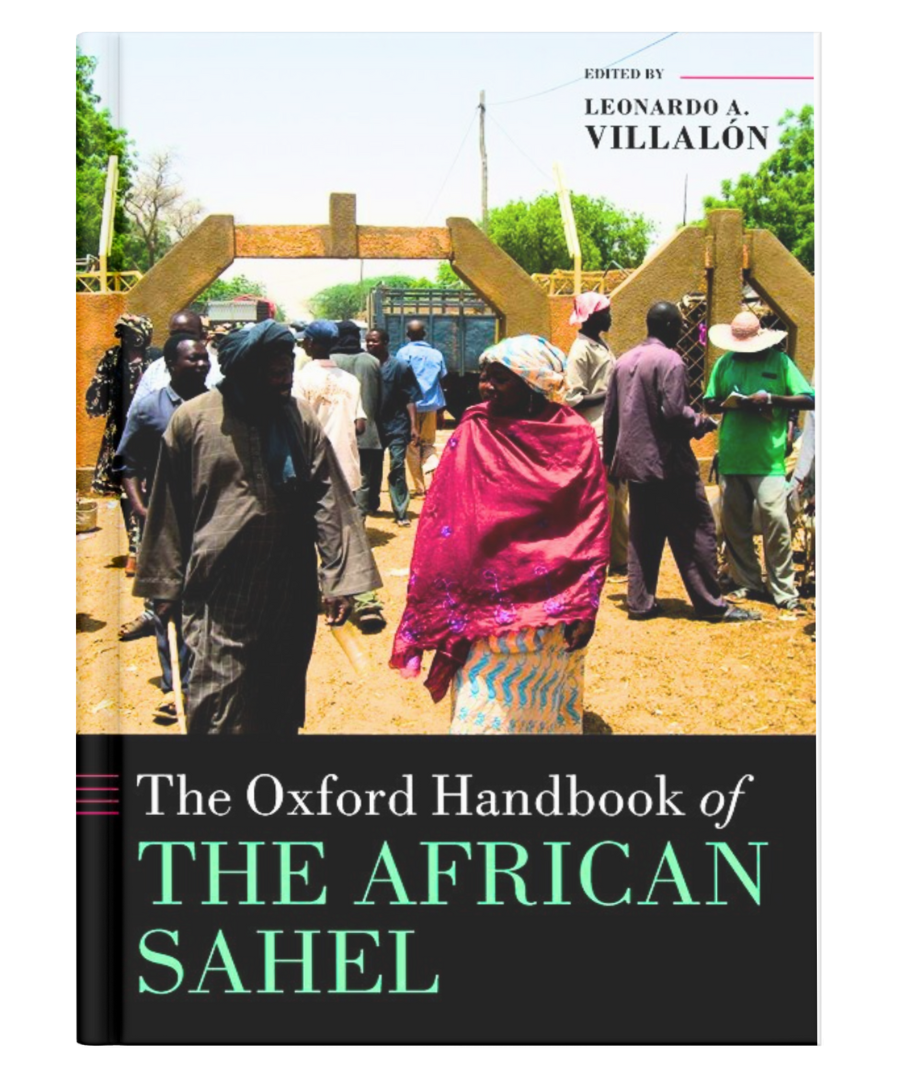
Leonardo A Villalon, The Oxford Handbook of THE AFRICAN SAHEL, Oxford University Press, 2022
Long on the margins of both scholarly and policy concerns, the countries of the West African Sahel have recently attracted world attention, primarily as a key battleground in the global ‘war on terror’. This book moves beyond this narrow focus, providing a multidimensional and interdisciplinary assessment of the region in all of its complexity. The focus is on the six countries at the heart of the Sahelian geographic space: Senegal, Mauritania, Mali, Burkina Faso, Niger, and Chad. Collectively, the chapters explore the commonalities and interconnections that link these countries and their fates, while also underscoring their diversity and the variations in their current realities.
The Sahel today is at an important crossroads, under multiple pressures of diverse kinds: environmental, political, demographic, and economic, as well as rapidly changing social and religious dynamics. It is also marked by striking dynamism and experimentation, drawing on a long history of innovation and cultural transfer. In many ways the Sahel is today on the cutting edge of grand natural experiments exploring how humans will adapt to climate change, to technological innovation, to the global movement of populations and the restructuring of world politics, to urbanization, social change, and rapid demographic growth, and to inter-religious contact. The region is a weathervane on the front lines of the forces of global change.
In nine thematic sections, the chapters in this book offer holistic analyses of the key forces shaping the region. Including scholars based in Africa, Europe, and the United States, the authors represent an exceptional breadth and depth of expertise on the Sahel.
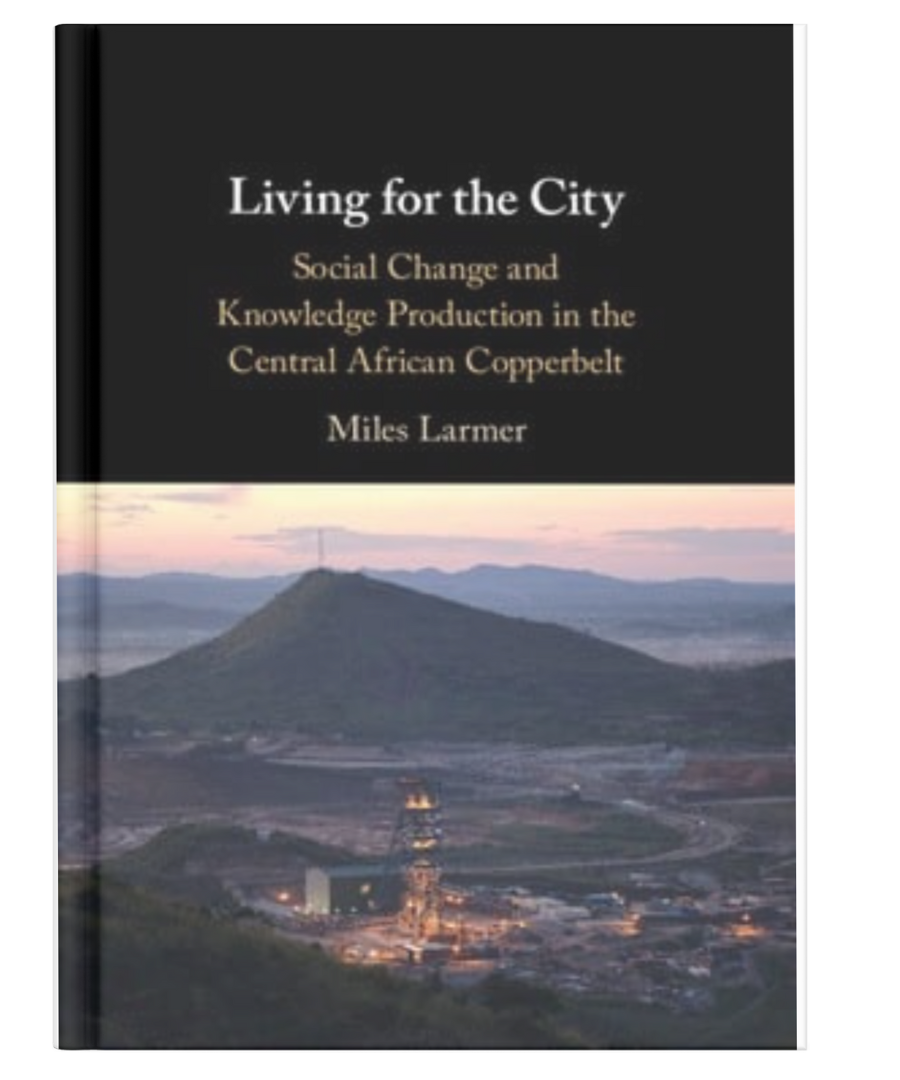
Miles Larmer, Living for the City: Social Change and Knowledge Production in the Central African Copperbelt, Cambridge University Press, 2021
Living for the City is a social history of the Central African Copperbelt, considered as a single region encompassing the neighboring mining regions of Zambia and the Democratic Republic of Congo. The Haut Katanga and Zambian Copperbelt mine towns have been understood as the vanguard of urban ‘modernity’ in Africa. Observers found in these towns new African communities that were experiencing what they wrongly understood as a transition from rural ‘traditional’ society – stable, superstitious and agricultural – to an urban existence characterized by industrial work discipline, the money economy and conspicuous consumption, Christianity, and nuclear families headed by male breadwinners supported by domesticated housewives. Miles Larmer challenges this representation of Copperbelt society, presenting an original analysis which integrates the region’s social history with the production of knowledge about it, shaped by both changing political and intellectual contexts and by Copperbelt communities themselves.
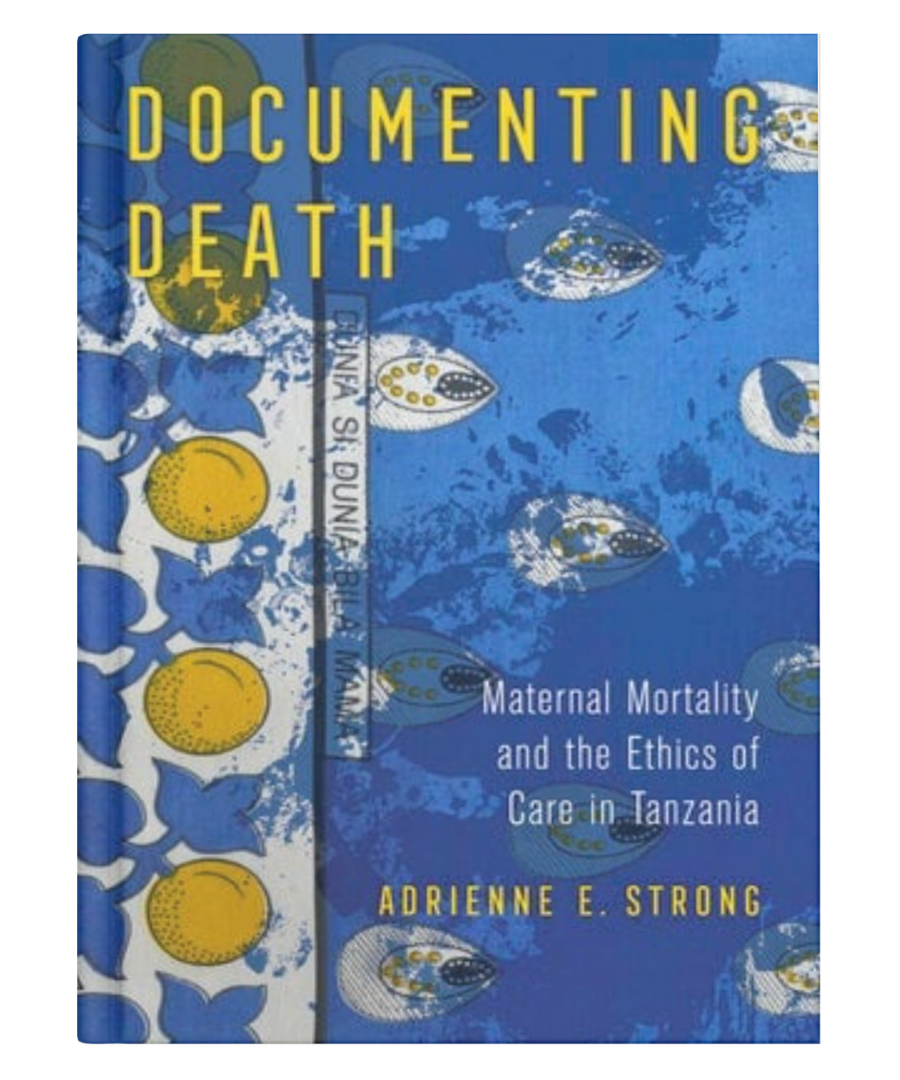
Adrienne E Strong, Documenting Death Maternal Mortality and the Ethics of Care in Tanzania, University of California Press, 2020
Documenting Death is a gripping ethnographic account of the deaths of pregnant women in a hospital in a low-resource setting in Tanzania. Through an exploration of everyday ethics and care practices on a local maternity ward, anthropologist Adrienne E. Strong untangles the reasons Tanzania has achieved so little sustainable success in reducing maternal mortality rates, despite global development support. Growing administrative pressures to document good care serve to preclude good care in practice while placing frontline healthcare workers in moral and ethical peril. Maternal health emergencies expose the precarity of hospital social relations and accountability systems, which, together, continue to lead to the deaths of pregnant women.
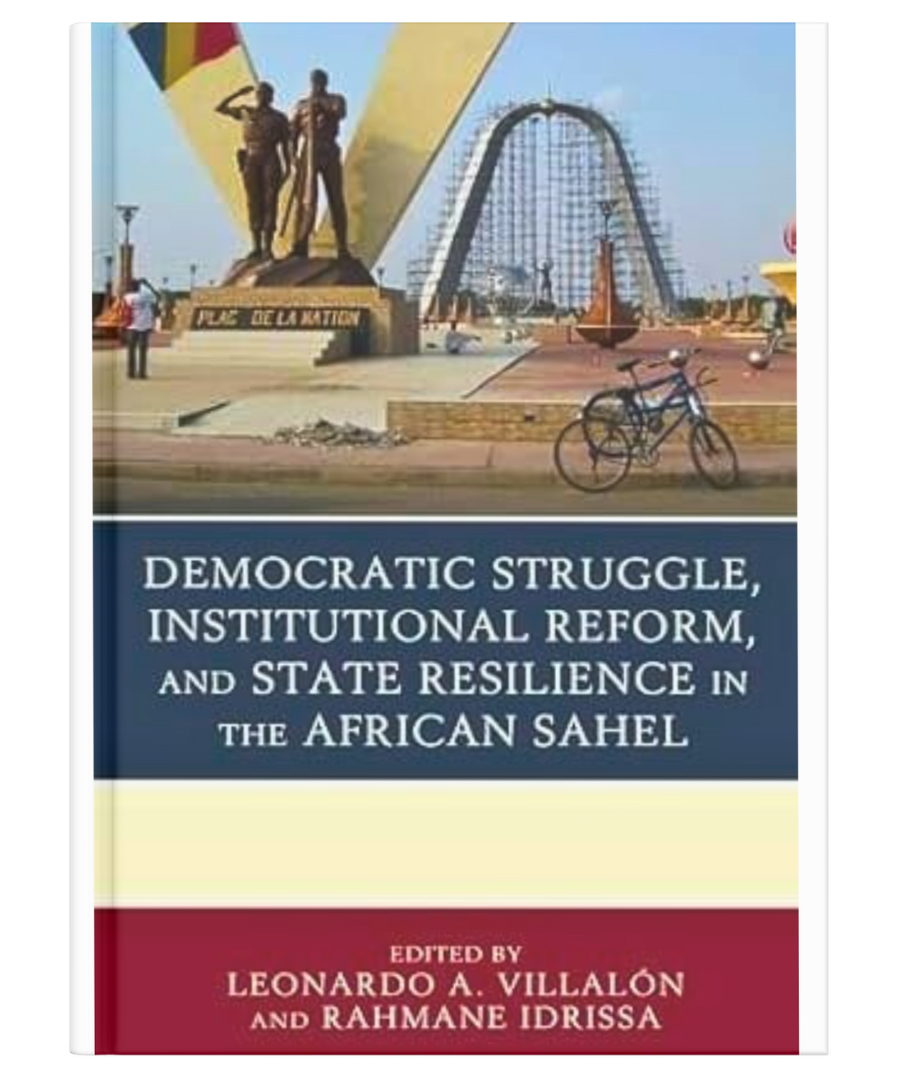
Leonardo A. Villalón, Rahmane Idrissa, Democratic Struggle, Institutional Reform, and State Resilience in the African Sahel, Lexington Books, 2020
Long on the periphery of both academic research and international attention, the countries of the West African Sahel currently find themselves at the center of global concerns over security, terrorism, migration, and conflict. Since the early 1990s the Sahelian states have also been engaged in political struggles over the construction of democratic institutions. Edited by Leonardo A. Villalón and Abdourahmane Idrissa, Democratic Struggle, Institutional Reform, and State Resilience in the African Sahel addresses a key and little-studied question: How have the politics of democratization across the Francophone Sahel shaped processes of state-building, and with what effects on the resilience of state institutions? Starting from the premise that variation in the politics of institution building and institutional reform—although most frequently justified and debated in terms of democratization—have differing impact on the construction of resilient states, this book examines these processes in six francophone states of the Sahel: Senegal, Mauritania, Mali, Burkina Faso, Niger, and Chad. The contributors represent a set of distinguished scholars from across the region, many of whom have also been important actors in the struggles they analyze.
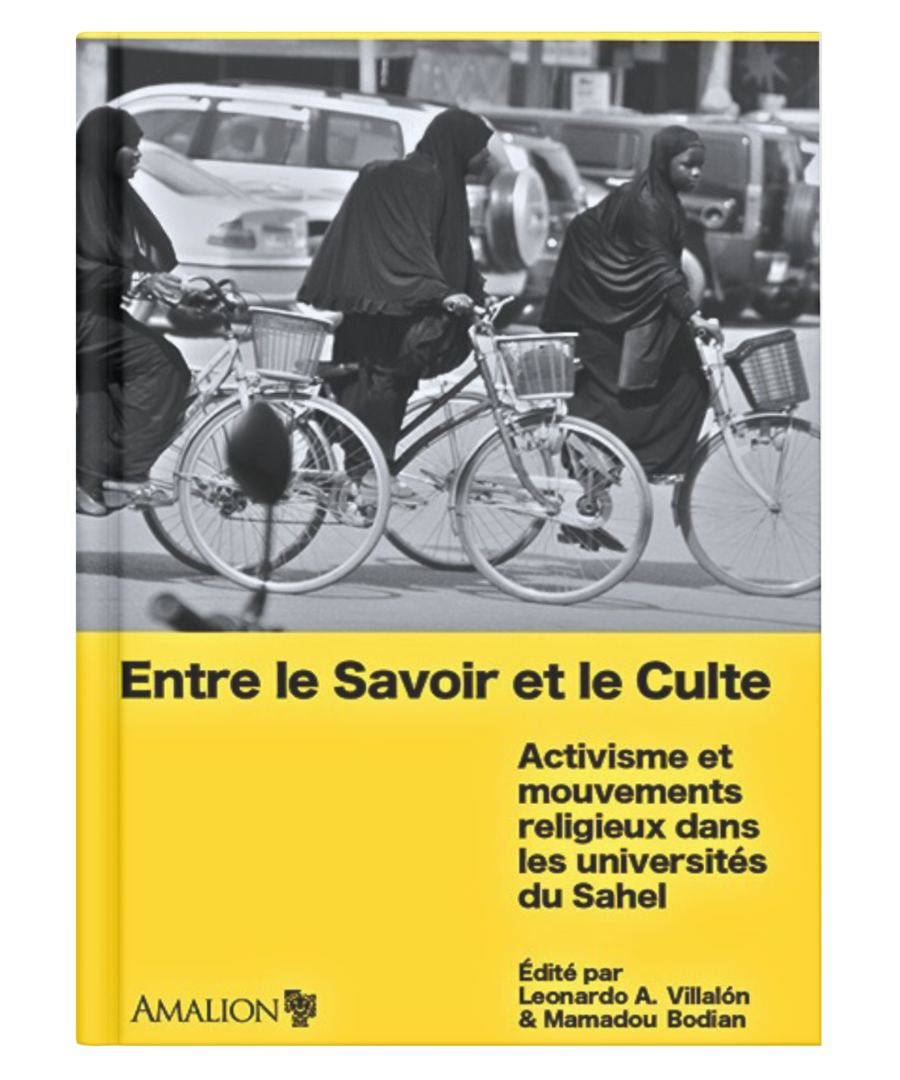
Leonardo A. Villalón, Mamadou Bodian, Entre le Savoir et le Culte Activisme et mouvements religieux dans les universités du Sahel, Amalion Publishing, 2020
Between Knowledge and Worship presents original studies and documents that update the evolution of Islam and Christianity among university students in the Sahel countries. It reveals the cracks and conflicts between the groups, and analyzes their oral, written, and clothing modes of display and performance. This book thus sheds powerful light on the hold of religion on the emerging elite, and examines the two questions that fuel academic religious activism: the meaning of the claim of a Muslim or Christian identity, and how this shapes the modernity of the two religions and vice versa. To be read to understand the dynamism of the terrible crises that are leading the Sahelian region to turn on itself.
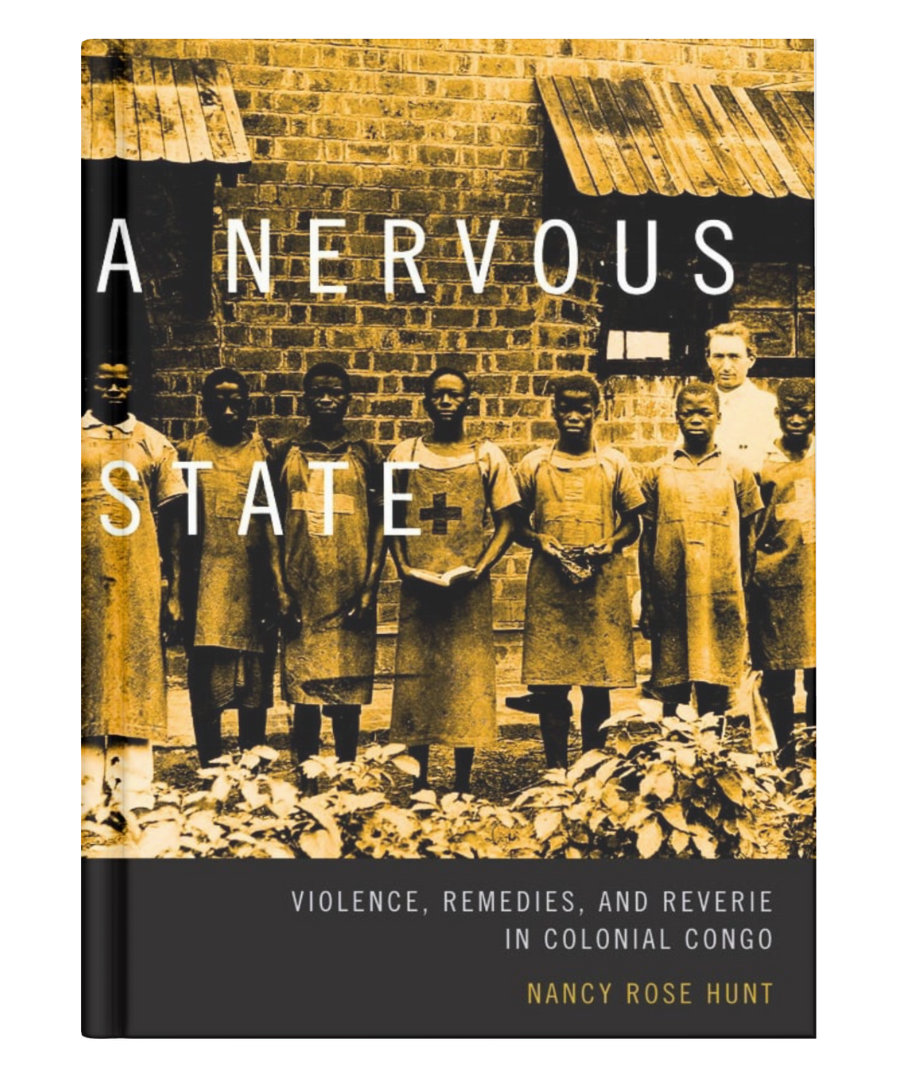
Nancy Rose Hunt, A NERVOUS STATE Violence, remedies and reverie in Colonial Congo, Duke University Press, 2016
In A Nervous State, Nancy Rose Hunt considers the afterlives of violence and harm in King Leopold’s Congo Free State. Discarding catastrophe as narrative form, she instead brings alive a history of colonial nervousness. This mood suffused medical investigations, security operations, and vernacular healing movements. With a heuristic of two colonial states—one “nervous,” one biopolitical—the analysis alternates between medical research into birthrates, gonorrhea, and childlessness and the securitization of subaltern “therapeutic insurgencies.” By the time of Belgian Congo’s famed postwar developmentalist schemes, a shining infertility clinic stood near a bleak penal colony, both sited where a notorious Leopoldian rubber company once enabled rape and mutilation. Hunt’s history bursts with layers of perceptibility and song, conveying everyday surfaces and daydreams of subalterns and colonials alike. Congolese endured and evaded forced labor and medical and security screening. Quick-witted, they stirred unease through healing, wonder, memory, and dance. This capacious medical history sheds light on Congolese sexual and musical economies, on practices of distraction, urbanity, and hedonism. Drawing on theoretical concepts from Georges Canguilhem, Georges Balandier, and Gaston Bachelard, Hunt provides a bold new framework for teasing out the complexities of colonial history.
Oliver J. Walther, William F.S. Miles, African Border Disorders Addressing Transnational Extremist Organization, Taylor & Francis, 2018
Since the end of the Cold War, the monopoly of legitimate organized force of many African states has been eroded by a mix of rebel groups, violent extremist organizations, and self-defence militias created in response to the rise in organized violence on the continent. African Border Disorders explores the complex relationships that bind states, transnational rebels and extremist organizations, and borders on the African continent. Combining cutting edge network science with geographical analysis, the first part of the book highlights how the fluid alliances and conflicts between rebels, violent extremist organizations and states shape in large measure regional patterns of violence in Africa. The second part of the book examines the spread of Islamist violence around Lake Chad through the lens of the violent Nigerian Islamist group Boko Haram, which has evolved from a nationally-oriented militia group, to an internationally networked organization. The third part of the book explores how violent extremist organizations conceptualize state boundaries and territory and, reciprocally, how do the civil society and the state respond to the rise of transnational organizations. The book will be essential reading for all students and specialists of African politics and security studies, particularly those specializing on fragile states, sovereignty, new wars, and borders as well as governments and international organizations involved in conflict prevention and early intervention in the region.